Austin VanScoy, Author at Dutchman Tree Service

Author name: Austin VanScoy

Practical Tips on Chipping Wood: Equipment, Safety, and Environmental Benefits

Austin here, with some thoughts on wood chipping. We have been getting quite a few questions about why someone should chip up their trees, how to chip safely, and other technical questions. This blog takes our top tips and gives them straight to you!

Wood chipping is a great method for managing forest debris, but it’s a process that comes with its own set of challenges, costs, and best practices. Whether you’re a landowner, contractor, or simply curious about sustainable forest management, understanding chipping can help you make informed decisions and avoid costly mistakes.

Pile of balsam trees awaiting chipping

Why Choose Chipping?

Chipping offers a one-step solution for processing felled trees and brush. Piling and burning dead or problem trees requires multiple steps and can pose environmental risks.

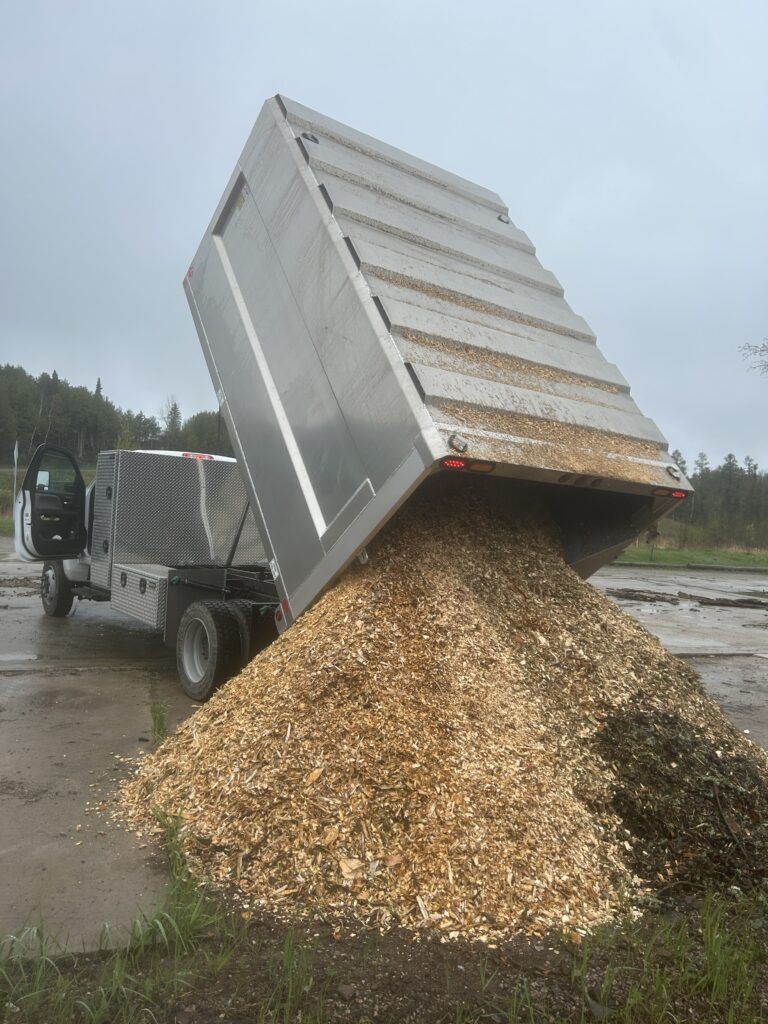
Choosing to chip the wood has multiple benefits! You only process the material once and it produces wood chips that are useful for landscaping, soil generation and improvement, and even insulation. Importantly, in areas with fire restrictions or air quality concerns, chipping is a significant advantage eliminating the need for burning. Additionally, broadcasting chipped tree and brush material onto the forest floor increases water retention, helps to shade and cool existing soils, as a lighter-colored material decreases heat accumulation in areas lacking shade due to tree removal, and overall creates conditions more conducive to accelerated plant regeneration. Benefits of broadcasting tree and brush chips onto the forest floor are additive and can become synergistic – all of a sudden, 2+ 2 = 10(!) as plants regenerate more quickly, and become soil builders themselves!

Equipment Matters: Choosing and Using the Right Chipper

The safety and efficiency of chipping depend heavily on the equipment used. Chippers come in different sizes and forms, from smaller (6 inch) to larger (12 inch), and towable to self-propelled machines. Dutchman Tree Service uses a high-capacity professional chipper that allows us to quickly clean up properties. 
  • Capacity: Smaller chippers (under 6 inches) are more time-consuming and can struggle with tough materials like dead balsam fir. Larger chippers (12 inches) handle bigger loads but are heavier and less maneuverable in rough terrain. 
  • Mobility: Moving a heavy chipper through the forest can be challenging. Solutions include using a skid steer or an excavator with a hitch, but even these have limitations on steep or rocky ground. 
  • Preparation: For maximum efficiency, fell trees and drag them whole (with limbs attached) to a chipper-accessible location. If the branches are large, trim them off the tree, making it easier to load into the chipper. Avoid cutting tree material into short, firewood-sized pieces, as these can jam or damage the machine, or become safety hazards for personnel.

Best Practices for Chipping

  • Material Length: Feed longer pieces (over 2 feet) into the chipper. Short pieces can strain, jam, or break the machine. 
  • Feeding Technique: Always have an escape route. Feed material with one side of your body and step away as the chipper pulls it in. 
  • Tools: Use only wooden sticks to push material through the chipper. Metal or plastic tools can damage the machine and pose safety risks. 
  • Read the Manual: Equipment manuals contain vital safety and operational information—don’t skip them!

Safety First

Chipping is inherently dangerous. Take your time and follow these basic guidelines.
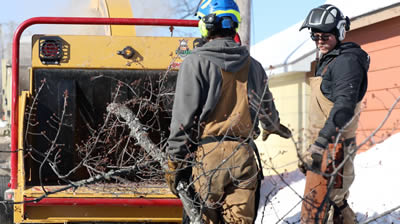
  • Protective Gear: Wear gloves, eye protection, long sleeves, pants, and sturdy boots. 
  • Feeding: Never force material with your hands. Use a wooden stick and keep your hands clear of the feed tray. 
  • Awareness: Be mindful of how material behaves—branches can whip or bounce, causing injury.

Environmental Considerations

Chipping is generally safe for the environment and does not spread most tree diseases or insects. For example, chipping does not spread emerald ash borer or white pine blister rust. However, there are exceptions for Buckthorn.

  • Buckthorn: Only chip buckthorn in winter when it has no seeds. Chipping when berries are present can spread this invasive species. For stubborn shrubs like buckthorn, herbicides may be necessary, but always follow label instructions and avoid contaminating water sources.

Special Tips for Different Tree Types

  • Cedar: Dead cedar makes excellent chips. 
  • Balsam Fir: Live trees chip well; dead ones are tough and time-consuming. 
  • Aspen & Birch: Avoid chipping if the wood is spongy or soft—it can clog the chipper and dull the blades. Leave these logs to decompose naturally, further benefiting the forest floor and overall ecosystem.

Managing Wood Chips

  • Spreading: Spread chips in 2–4 inch thick layers. 
  • Avoid Piling: If you must pile chips, use them within a month and keep them dry to prevent decomposition and potential fire hazardsyes, piled wet wood chips can get hot enough to combust! 
  • Tree Health: Don’t let chips pile up against tree stems—clear them away to prevent rot.

Wood chipping is a valuable tool for forest management, but it requires careful planning, the right equipment, and a strong focus on safety and ecological impact. Dutchman Tree Service follows these best practices and understands the unique challenges of your site and materials. We turn forest debris into a resource that synergistically benefits both your land, you, and the environment!

Practical Tips on Chipping Wood: Equipment, Safety, and Environmental Benefits Read More »
Neighborhood Wildfire Tree Fuels Reduction

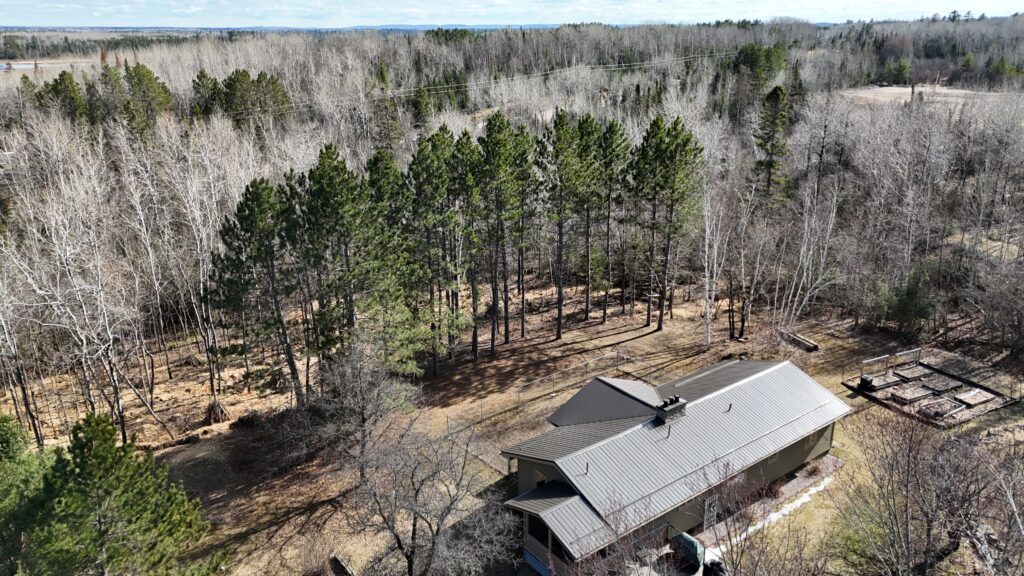
Have you noticed some exciting activity and brightly colored equipment in your neighborhood? The Dutchman Tree Service team is working on performing a fuel reduction treatment in your area! 

Who we are: Tree service, land stewards, tree lovers, doing what we know is best for safety and stewardship.

What we are doing: Wildfire Mitigation- The Dutchman Way, stewarding that property for the next generations!

How are we doing it: Using the most specialized equipment, ie. remote controlled chipper, mini feller buncher, etc. 

Why are we doing it: To make the remaining trees resistant to wildfire, drought, pests, disease, blow down, and protect the assets on the property from a spreading wildfire!

What to expect from us: 

We start early in the morning and end around 5 pm. Sometimes a little sooner or later depending on the day.

The equipment is noisy and sometimes dusty depending on the weather conditions. You might want to close house windows if you can see us working, this prevents dust inside your house.

We temporarily need to block the road to load/unload equipment, or remove trees alongside the road.

We will always give the right of way to emergency vehicles and residents along the road. Please be patient with us. We do not want to make anyone late and will let you through the area when it’s safe. 

If the gravel on the road has woody debris present, we will clean it up before concluding the project.

What we ask of you: 

Be friendly and supportive. We are trying to help the forest and prevent forest fires!

Project boundaries will be flagged clearly and will be only within the property lines of the landowner hiring us. If any misrepresentation of property lines is evident, please call Austin at 218-929-2502 as soon as possible.

Use extreme caution driving, walking, or passing by. 

Keep animals on leashes.

Wear bright clothing if you are planning on walking within sight of the equipment.

If you have questions about our service or Dutchman Tree Service, Please call Austin at 218-929-2502. The crew members on the project have to stay focused on their job, as it is one of the most dangerous occupations. Less distractions make the whole project safer!  

We sincerely thank you for your support of our crews and your neighbors who have hired us. Together we can prevent property loss from wildfires by reducing fire fuels! 

Neighborhood Wildfire Tree Fuels Reduction Read More »